We all know that garage doors protect your property, increase security, and improve curb appeal. However, commercial and residential garage doors in San Diego differ significantly in design, function, and durability. Understanding these differences helps property owners choose the right door for their specific needs. In this blog, we will break down the key distinctions between commercial garage doors in San Diego and residential garage doors.
Purpose and Usage
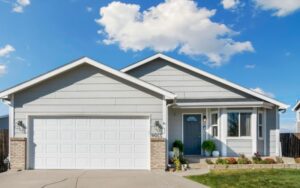
Residential garage doors primarily serve homes and small private properties. Homeowners use them to secure vehicles, store personal belongings, and improve home aesthetics. They generally experience lower traffic, opening and closing a few times per day.
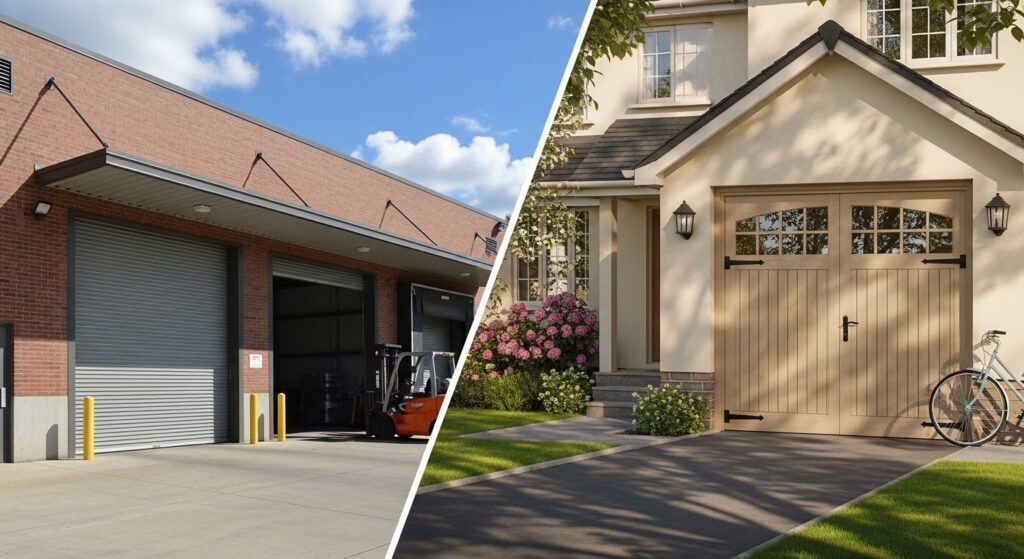
Commercial garage doors, on the other hand, serve businesses, warehouses, factories, and large storage facilities. These doors handle heavy-duty use and frequent traffic. Vehicles, including trucks and forklifts, often pass through multiple times per hour. Therefore, commercial doors must withstand continuous operation and heavier wear and tear.
Material Construction
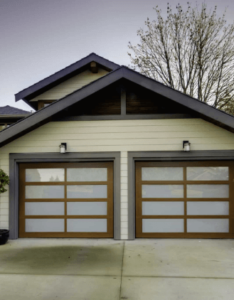
Residential garage doors commonly use materials like steel, aluminum, wood, and composite. Steel doors dominate the market because they balance durability, affordability, and low maintenance. Wood doors provide an elegant look but require more upkeep. Aluminum and composite doors offer lighter weight and rust resistance.
Commercial garage doors typically use stronger materials, such as heavy-gauge steel, reinforced aluminum, or high-strength fiberglass. These materials withstand frequent usage, heavy loads, and harsh environmental conditions. Some commercial doors include insulated panels to protect goods from temperature fluctuations and moisture damage.
Size and Dimensions
Residential garage doors usually follow standard sizes. Single-car doors range from 8 to 10 feet in width, and double-car doors range from 16 to 18 feet. Heights vary between 7 and 8 feet. These sizes suit most home garages and suburban properties.
Commercial garage doors often require larger dimensions to accommodate industrial vehicles and equipment. Widths commonly start at 10 feet and can exceed 20 feet. Heights may reach 16 feet or more. Custom sizing ensures smooth operation for large trucks and machinery, making commercial doors inherently larger than residential doors.
Door Operation Mechanisms
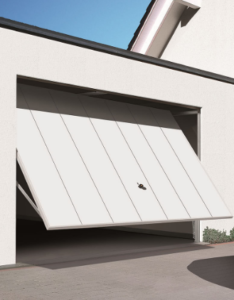
Residential garage doors often use standard electric openers, chain drives, or belt-driven systems. They prioritize quiet operation and ease of use. Many modern homes incorporate smart garage door openers for remote access and monitoring.
Commercial garage doors rely on robust operating systems. Rolling steel doors, sectional overhead doors, and high-speed doors are common in commercial settings. These doors often include heavy-duty motors and reinforced tracks to support frequent opening and closing. High-speed doors provide efficiency in busy warehouses, reducing wait times for vehicles.
Security Features
Residential garage doors focus on basic security. Most come with lock mechanisms, keypad access, and automatic reverse sensors to prevent accidents. Smart security features, such as app notifications and remote locking, are increasingly popular among homeowners.
Commercial garage doors require advanced security measures. These doors protect valuable inventory, equipment, and commercial assets. Security options include reinforced steel, electronic access control, remote monitoring systems, and alarm integration. Some commercial doors also incorporate fire-rated materials to prevent the spread of fire within industrial settings.
Insulation and Energy Efficiency
Residential doors often include insulation to maintain indoor temperatures and improve energy efficiency. Insulated doors reduce heating and cooling costs, enhance comfort, and provide noise reduction. Common insulation materials include polystyrene and polyurethane foam.
Commercial doors frequently use insulation to protect temperature-sensitive goods or maintain climate-controlled environments. Cold storage facilities, warehouses, and food distribution centers require doors with higher insulation ratings. Commercial doors may also feature weather seals, thermal breaks, and reinforced panels to optimize energy efficiency and operational performance.
Design and Aesthetics
Residential garage doors contribute significantly to curb appeal. Homeowners can choose from various designs, colors, finishes, and decorative hardware. Wood grain textures, panel styles, and windows allow personalization to match the home’s architecture.
Commercial garage doors focus on functionality rather than aesthetics. While some options include limited design choices, most commercial doors prioritize durability, visibility, and operational efficiency. For example, roll-up doors often feature minimalistic metal panels with small vision windows to allow light and visibility inside the building.
Maintenance Requirements
Residential garage doors require routine maintenance to ensure smooth operation. This includes lubrication of moving parts, checking the balance, inspecting springs, and occasional cleaning. Most homeowners perform these tasks annually or semi-annually.
Commercial garage doors demand more frequent and specialized maintenance. High-traffic doors experience wear on rollers, tracks, springs, and motors. Facility managers or service professionals perform inspections monthly or quarterly to prevent downtime. Neglecting maintenance in commercial doors can lead to costly repairs and operational disruptions.
Lifespan and Durability
Residential doors generally last between 15 and 30 years, depending on material, usage, and maintenance. Steel and aluminum doors resist rust and dents better, while wood doors may warp over time. Moderate use and proper maintenance extend lifespan.
Commercial doors experience heavy use daily and face more stress. They often last 10 to 20 years but require stronger materials and components to handle continuous operation. Some high-end commercial doors with reinforced steel and industrial motors exceed 25 years of service life.
Also read: Garage Door Repair vs Replacement: How San Diego Homeowners Should Decide
Safety Considerations
Residential doors prioritize family safety. Features such as auto-reverse sensors prevent accidents when objects or people obstruct the door. Soft-close technology reduces impact risks, and emergency release mechanisms allow quick manual operation during power outages.
Commercial doors integrate more advanced safety systems. Safety light curtains, motion sensors, and emergency stop buttons prevent accidents with industrial vehicles. Fire-rated doors comply with local safety codes to contain flames. High-speed doors often include sensors to prevent collisions and damage to goods or equipment.
Install The Best Commercial & Residential Garage Doors in San Diego With Shon Garage Doors
At Shon Garage Doors, we provide high-quality, durable doors designed for safety, efficiency, and style. Whether you need a modern residential garage door to enhance your home’s curb appeal or a robust commercial door for warehouses and businesses, our expert team delivers reliable installation and service.
We use top-grade materials, advanced technology, and precise craftsmanship to ensure every door operates smoothly and lasts for years.
Contact us today for professional, timely, and affordable garage door installation in San Diego.